
Fast, Reliable Crawl Space Encapsulation & Vapor Barrier Across Newark
Crawl space encapsulation in Newark typically runs $4,500 to $9,800 for a standard raised foundation, with a standalone reinforced vapor barrier install falling between $2,200 and $4,700. Most jobs on Newark’s 1960s and 1970s ranch homes take one to two days, and we keep crews scheduled specifically for Newark neighborhoods off Cedar Boulevard, Jarvis Avenue, and the Willow Street corridor. If you’re seeing damp floors, musty air, or rust forming on crawl space hardware, call (510) 953-5663 and a live person answers, day or night.
What makes Newark different from Fremont or Union City? Salt. Your crawl space sits a mile or two from South San Francisco Bay, and that marine air is working against your foundation hardware every day. We’ve been diagnosing and fixing exactly this problem in Newark homes since 2011, and our Crawl Space Encapsulation & Vapor Barrier approach is built for coastal conditions, not copied from an inland playbook.
Why Warmline Insulation Co. Is Newark’s Preferred Crawl Space Encapsulation & Vapor Barrier Company
Newark homeowners don’t need a generalist contractor guessing at why their floors feel cold in July or why the crawl space smells like low tide. Warmline Insulation Co. has spent over 15 years working inside the crawl spaces of this city’s raised foundations, and we know what bay moisture does to them. Neil Ashford built this company to treat crawl space encapsulation as a building-science problem, not a plastic-sheeting job. That’s why our Newark customers stay with us, and why our 90-Day Done Right Promise is a written guarantee, not a slogan.
Every Newark job gets background-checked, uniformed technicians who understand 2×4-framed ranch homes, pier-and-beam foundations, and the corrosion problem that salt-laden air creates. Most jobs are completed in a single visit, and our pricing is upfront before any material hits your property. When you call (510) 953-5663 about a damp crawl space on Sycamore Street or a musty smell near Newark Memorial High School, you’re talking to someone who knows exactly which neighborhoods sit closest to the bay and which ones fight moisture year-round.
Our Crawl Space Encapsulation & Vapor Barrier Services in Newark
Crawl Space Vapor Barrier
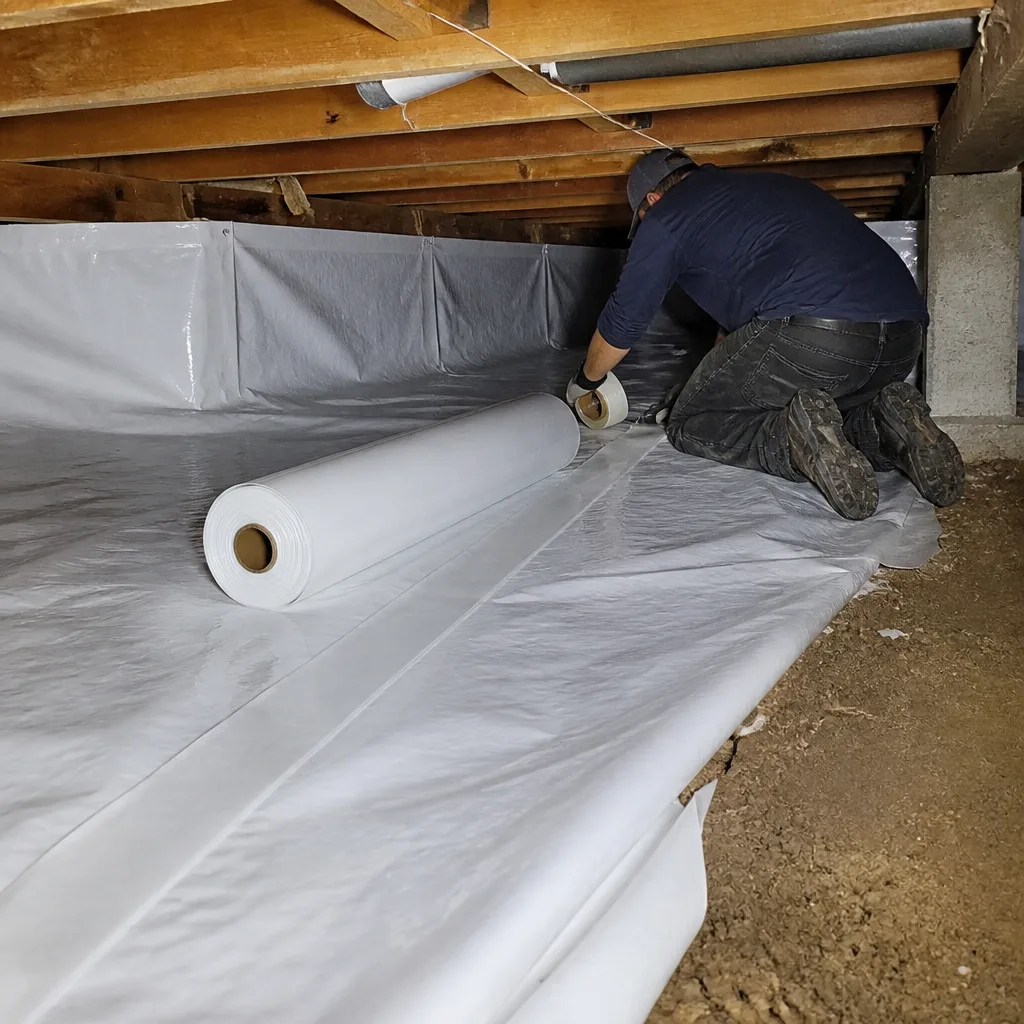
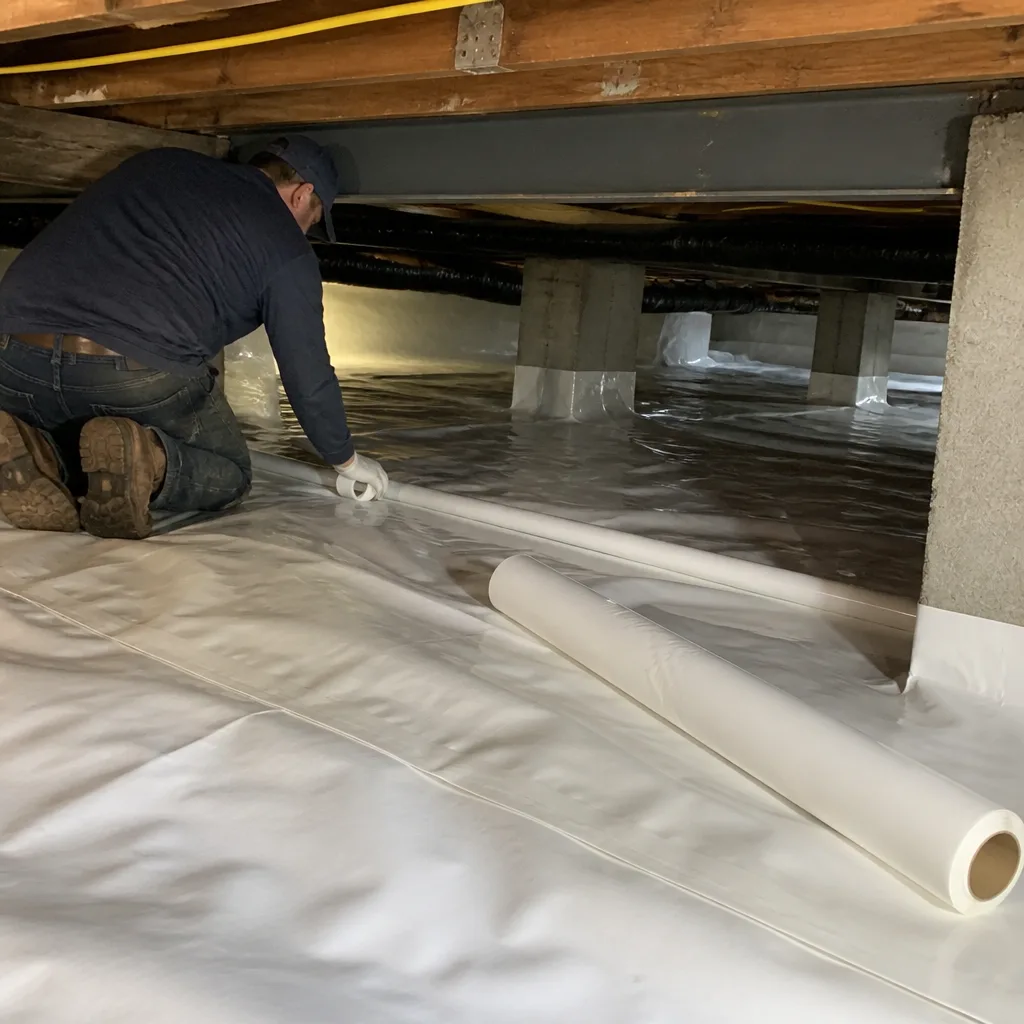
A vapor barrier in Newark needs to be heavier than what a dry inland home would get. We install 10-mil to 12-mil reinforced poly or multi-layer composite liners that won’t tear when you store holiday decorations under the house. In the raised foundations around Newark, a single visit from a pest control tech or plumber can shred cheap 6-mil poly, and then your subfloor is sitting over damp soil again. We run the liner up the foundation walls and mechanically fasten it, so the barrier works even when the soil below stays damp from bay fog.
Crawl Space Encapsulation
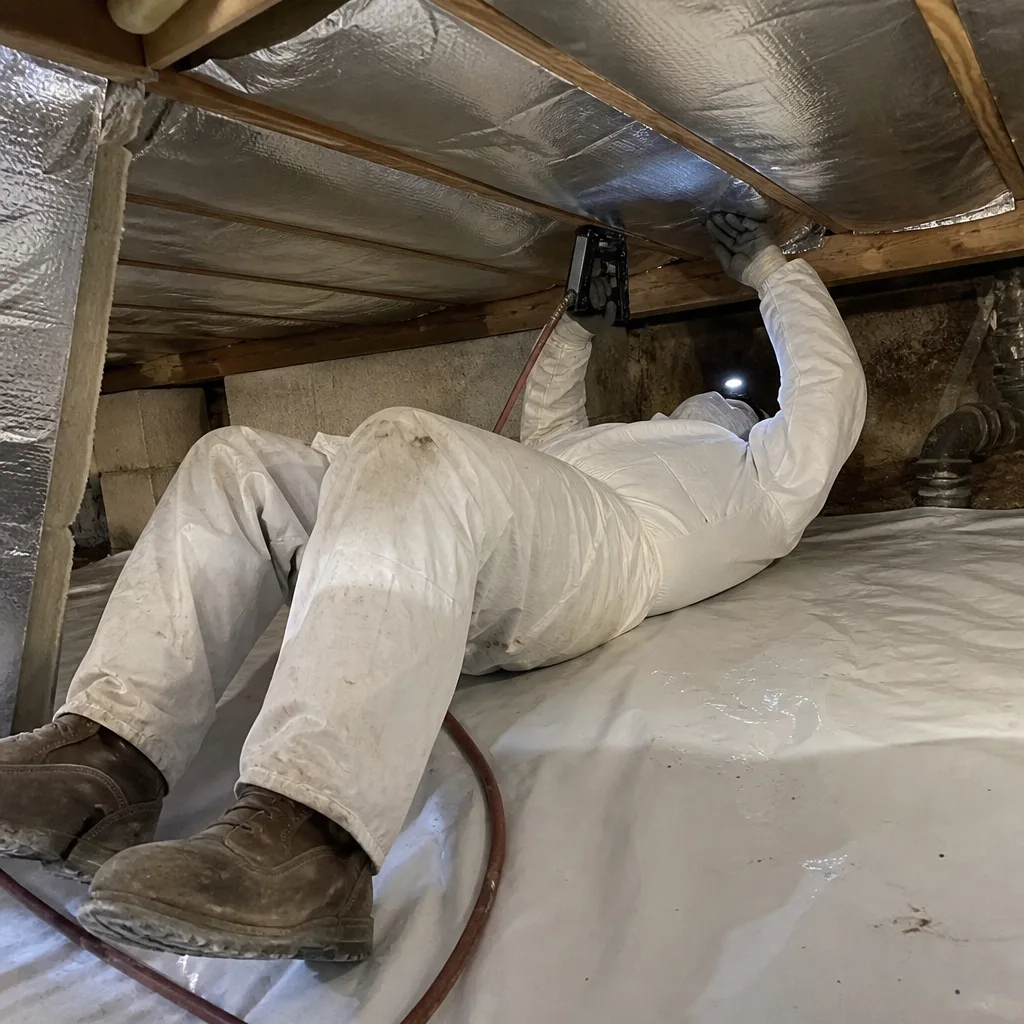
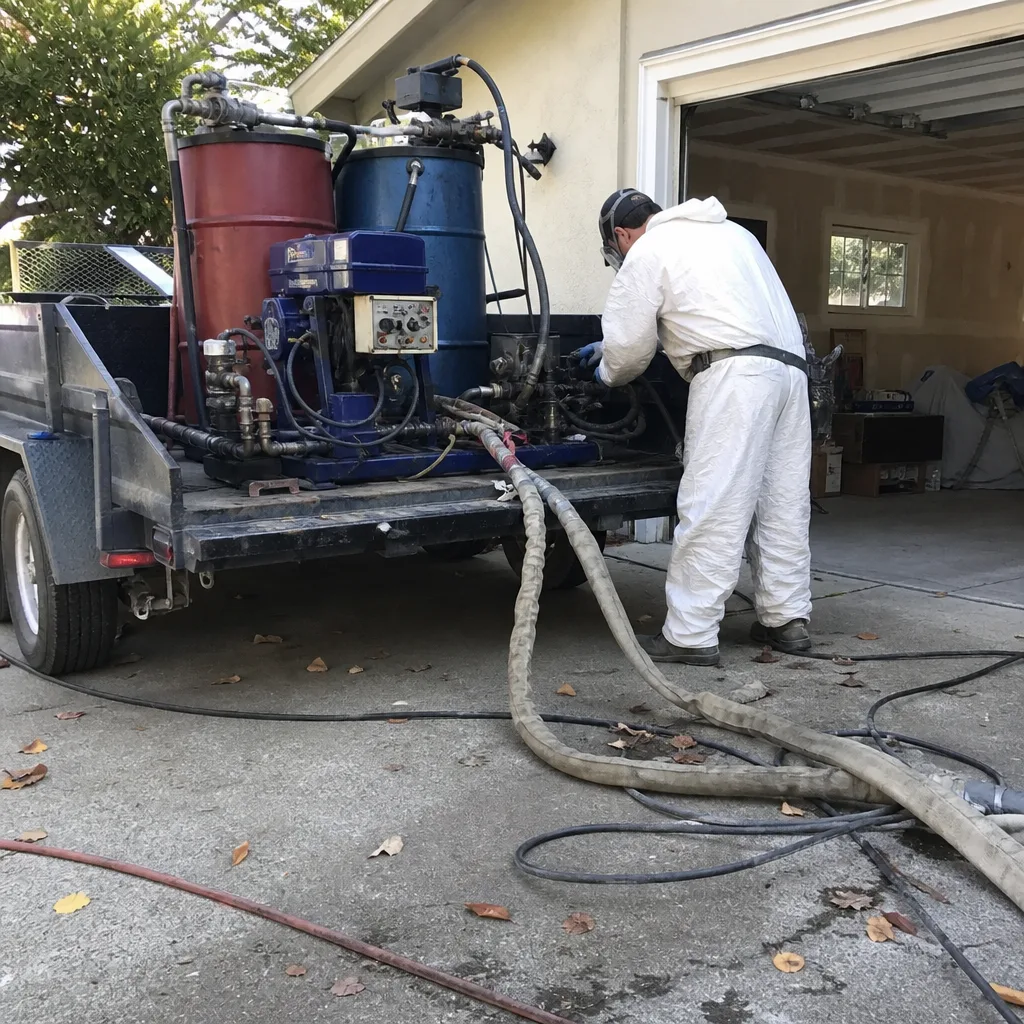
Full encapsulation in Newark means sealing the vents that let salt-laden air move through your crawl space all year. We close off foundation vents, seal rim joists and sill plates with closed-cell spray foam, and line the floor and short walls with reinforced barrier. The goal is a crawl space that’s isolated from Newark’s marine air, not one that’s simply covered. Homes along the Cedar Boulevard corridor and near the bay side of Thornton Avenue benefit most, because that’s where we see vent screens rusting through and damp fiberglass slumping out of the floor cavities.
Crawl Space Insulation
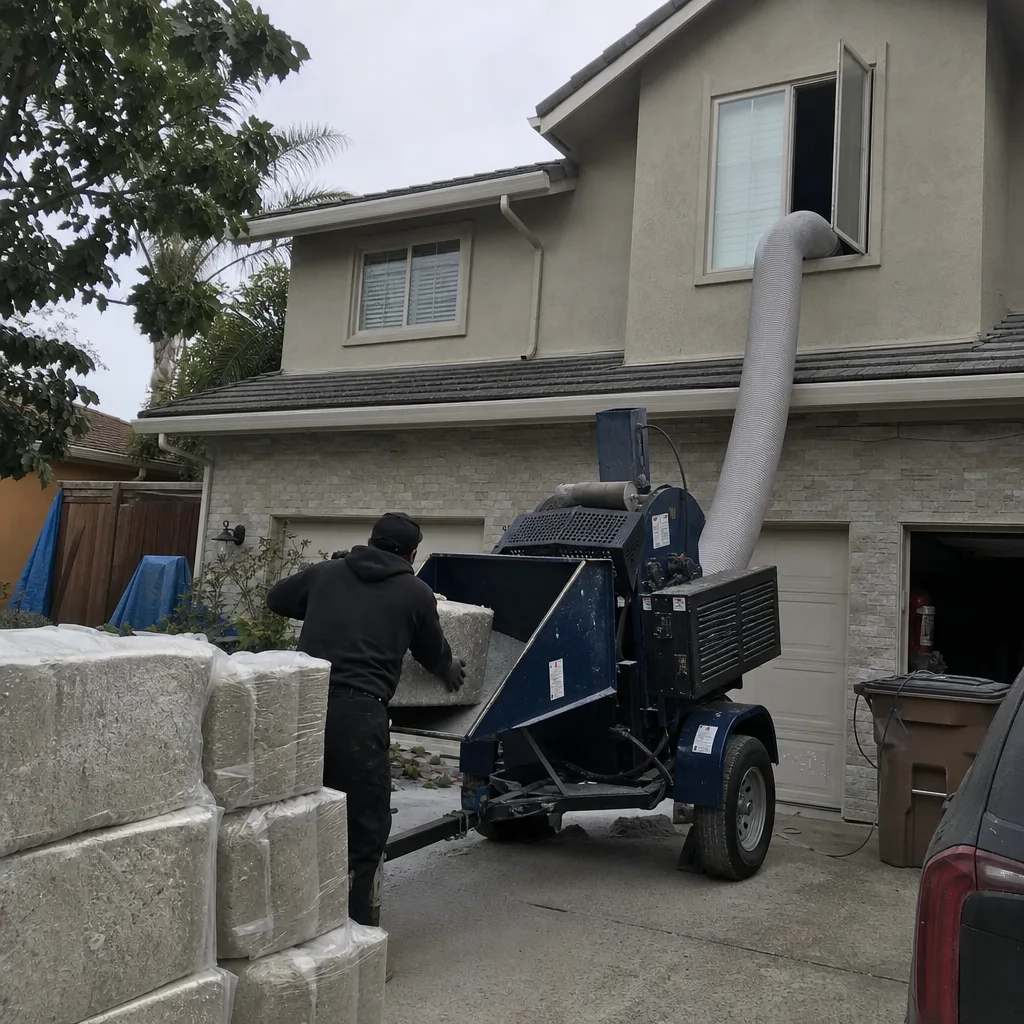
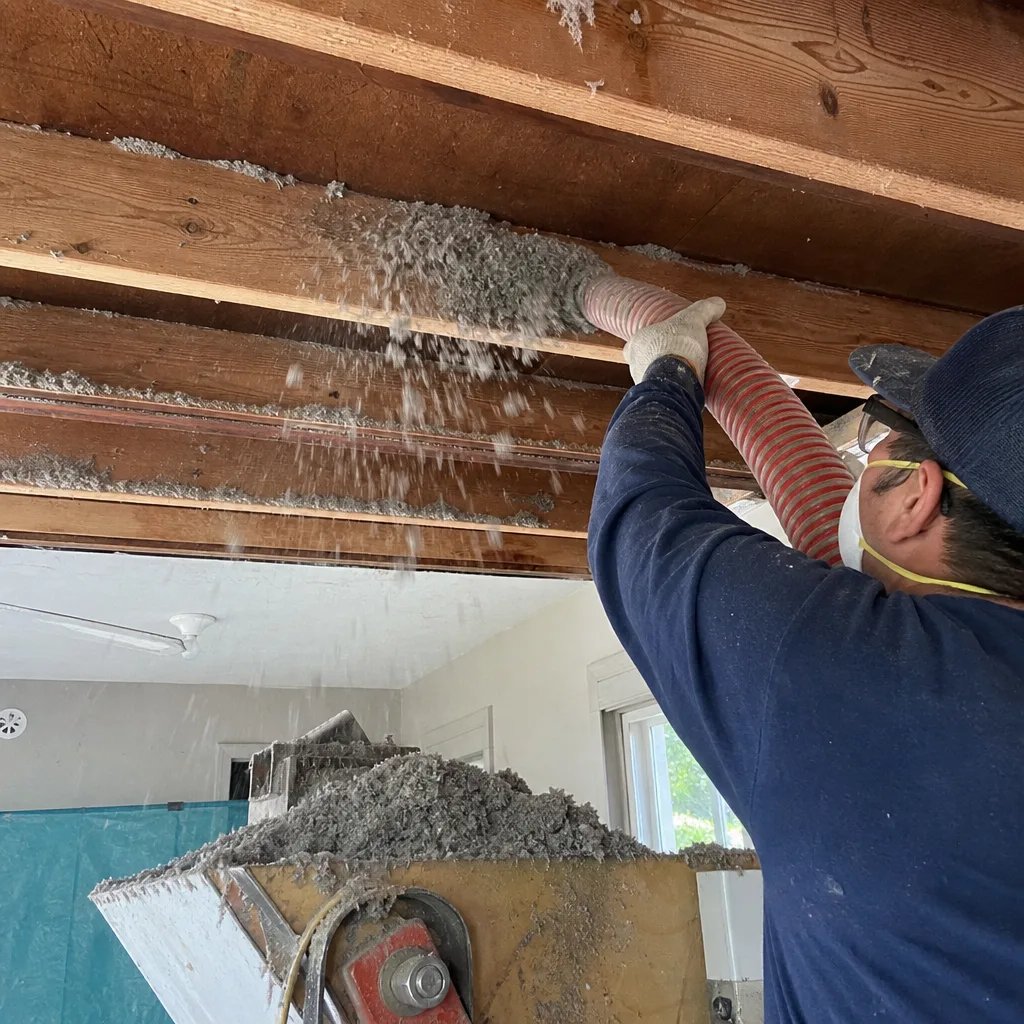
Original fiberglass batts in Newark’s 1955-1980 tract homes have spent decades absorbing bay humidity. The batts sag, drop onto the ground or hang loose, and lose their R-value long before anyone notices. We remove the failed insulation and replace it with closed-cell spray foam on the rim joists and foundation walls, which is far more moisture-tolerant for Newark’s conditions than fiberglass. The result is a warmer floor in winter and a crawl space that isn’t feeding damp air into your living room.
Crawl Space Moisture Control
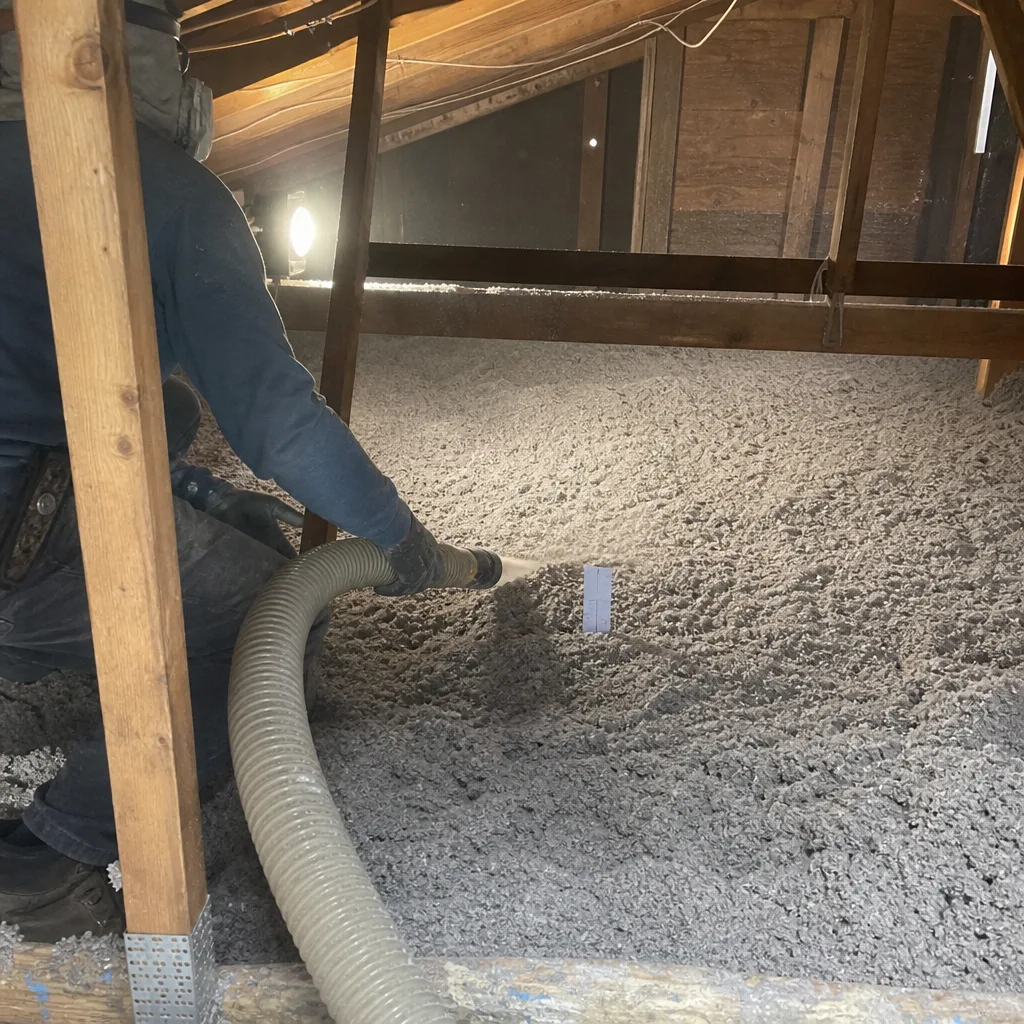
Moisture control in Newark is different from inland East Bay cities because your soil never fully dries. Bay fog pushes humidity into the crawl space even when the soil surface looks dry. We address this with the vapor barrier, air sealing, and in some Newark homes, a crawl space dehumidifier sized for the space. The dehumidifier keeps relative humidity below 55%, which is the threshold where mold stops growing on floor joists and subfloor sheathing. In the foggiest stretches off Willow Street and the bay-facing blocks near Mowry Avenue, a dehumidifier is often the difference between a dry crawl space and one that stays perpetually damp.
What happens when you call
- 1
A real person answersNo phone trees - you reach a local pro.
- 2
You get an upfront price rangeHonest numbers before anyone is dispatched.
- 3
A background-checked tech heads outLicensed & insured, dispatched right away.
- 4
You approve before work beginsNothing starts until you say go.
Trusted Brands We Service in Newark
We install and service vapor barrier and encapsulation systems using materials from manufacturers that build for moisture-heavy climates, including Owens Corning, Icynene, and Demilec. Newark homeowners don’t have to wonder whether the product will hold up to salt air. We stock the right liners, tapes, and sealants locally, so a Newark job doesn’t stall waiting on parts from out of state. Our relationship with these brands also means we can match the right material to your specific foundation, whether it’s a tight crawl space off Jarvis Avenue or a taller raised foundation near the bay.
Common Crawl Space Encapsulation & Vapor Barrier Problems We See in Newark Homes
- Salt-air corrosion on metal hardware. Unsealed foundation vents let marine air hit support posts, HVAC straps, plumbing hangers, and even the lag bolts holding your floor system together. In Newark’s bay-front neighborhoods, we’ve seen galvanized straps rust to flaky scale within a decade. We replace them with stainless or coated fasteners and seal the vents that let the salt in.
- Damp, sagging fiberglass batts in floor cavities. The original insulation in most 1960s and 1970s Newark ranches was installed at R-11 or less, and bay humidity has been pulling it down ever since. Once the batts slump, they stop insulating and start holding moisture against the subfloor. The damp underside is where mold grows, and nobody sees it until a home energy audit or a crawl space cleanout reveals it.
- Thin 6-mil poly vapor barriers torn and useless. Builders in this era laid cheap poly over the soil and called it done. Decades of plumbers, electricians, and pest control techs crawling through have shredded it. In Newark’s damp soil conditions, a torn barrier re-wets the subfloor every foggy winter and keeps the cycle of moisture and mold going even after you think the problem is fixed.
- Rusted-through crawl space vent screens and stuck vents. Newark’s marine air eats vent screens fast, especially on homes within a mile of the bay. When the screen fails, pests get in, and when the vent louver sticks open, the crawl space never dries. We see this consistently in the neighborhoods east of Thornton Avenue and down toward the Don Edwards refuge side.
Pricing for Crawl Space Encapsulation & Vapor Barrier in Newark, CA
Here’s what Newark homeowners can expect to pay in this market. A basic crawl space vapor barrier (10-mil or 12-mil reinforced poly over the soil, sealed at seams and edges) runs $2,200 to $4,700 for a typical 1,200 to 1,800 square foot raised foundation. Full encapsulation with rim joist sealing, vent closure, and a dehumidifier lands between $4,500 and $9,800 depending on crawl space height, access, and whether we’re replacing failed insulation at the same time. Homes with extensive rusted hardware or mold remediation needs push toward the upper end. We offer free estimates, upfront pricing before work starts, and we never add surprise line items. Newark seniors and veterans save 5% on every job permanently.
Call (510) 953-5663 for an exact quote on your Newark crawl space. Estimates are free, and a live person answers.
We Also Serve Cities Near Newark
Warmline Insulation Co. serves Newark and the surrounding East Bay communities, including Fremont, Union City, Sunol, and Palo Alto. If you own a raised-foundation home in any of these cities and suspect bay moisture is affecting your crawl space, our encapsulation crew is already working your area and can schedule quickly.
Serving Newark, CA - Our Local Coverage Area
We’re based in the Newark area and know this community well. Use the map below to see our service coverage - if you’re nearby, we can almost certainly help.
FAQs - Crawl Space Encapsulation & Vapor Barrier in Newark
Newark homes need a heavier reinforced barrier, typically 12-mil or thicker, because the persistent salt-laden air and damp soil conditions here tear through standard 6-mil poly faster than in Fremont or Union City. We also spec stainless or coated fasteners for the barrier and any hardware we replace, because Newark’s marine air corrodes standard steel within a decade. A Fremont home might get away with standard zinc hardware; a Newark home on the bay side should not.
Look for flaky rust scale on the steel straps holding HVAC ducts, plumbing hangers, and the metal posts under your floor joists. Vent screens that crumble when you touch them are another tell. If you can see daylight through a vent screen that used to be solid, or the screen flakes off in your hand, call (510) 953-5663 and we’ll inspect the entire crawl space and recommend replacing affected hardware with stainless before it becomes structural.
In most Newark homes of that era, the answer is no. The original batts in the floor cavities have absorbed decades of bay humidity and are typically sagging, moldy on the underside, and doing almost nothing for your heating bill. Encapsulating around failed insulation traps moisture and makes the problem worse. We remove the failed batts as part of the encapsulation and replace them with closed-cell spray foam on rim joists and foundation walls, which handles Newark’s damp conditions far better.
Homes along Willow Street and the surrounding blocks sit close enough to the bay that fog and marine air drive crawl space humidity up more often than in the eastern parts of Newark. We consistently find rusted vent screens and damp subfloor in that corridor, even in homes where the soil looks dry. Sealing the crawl space and controlling moisture mechanically is the only way to stop the cycle in those fog-prone blocks.
Yes. Newark’s heating load comes from damp, foggy air infiltrating the house, not from deep cold. When your crawl space is feeding salt-damp air into the floor system, your furnace works harder to push heat through rooms that lose it downward. Encapsulation and rim joist sealing stop that air movement, and many Newark homeowners notice warmer floors and lower gas bills in the first foggy season after the work is done. Call (510) 953-5663 and we’ll give you a straight answer on what your specific home would need.
Written by Neil Ashford, Owner at Warmline Insulation Co., serving Newark and the East Bay since 2011.