


Fast, Reliable Attic Insulation Across East Foothills
If you own a 1960s or 1970s home in East Foothills, your attic is almost certainly under-insulated by today’s standards, and on sloped lots, it’s often not even your biggest thermal leak. Most East Foothills attics we inspect have original fiberglass batts rated R-19 or less, well below California Title 24 minimums, and many have settled, moisture-damaged, or simply fallen out of place on the steeper grades. Warmline Insulation Co. has been correcting these problems across the East Foothills hillsides since 2011, with background-checked, uniformed technicians who know exactly how Diablo Range wind exposure changes the insulation equation here. Call (510) 953-5663 and a live person answers, 24/7. No voicemail, no answering service, ever.
Why Warmline Insulation Co. Is East Foothills’s Preferred Attic Insulation Company
Contractors who work mostly on the flat valley floor treat an attic as a simple box: blow in some fiberglass, call it done. East Foothills doesn’t work that way. Homes here sit 200 to 600 feet above the Santa Clara Valley floor on sloped Diablo Range lots, and the prevailing winds that channel through the range passes hit these structures from angles that valley contractors rarely account for. Our Attic Insulation team has spent over a decade mapping how those wind patterns interact with east- and north-facing crawl spaces, attic floor cavities, and eave ventilation on hillside homes. Neil Ashford, who leads Warmline, insists on a building-science-first approach: diagnose the actual heat-loss pathway before selling any insulation job. That’s why East Foothills homeowners call us back, and why our work in this community carries a 90-Day Done Right Promise in writing. If it’s not done right, we make it right.
Most jobs in East Foothills are completed in a single visit. We show up with the right material on the truck, and a live person answers when you call to schedule. No voicemail runaround.
Our Attic Insulation Services in East Foothills
Blown-In Attic Insulation
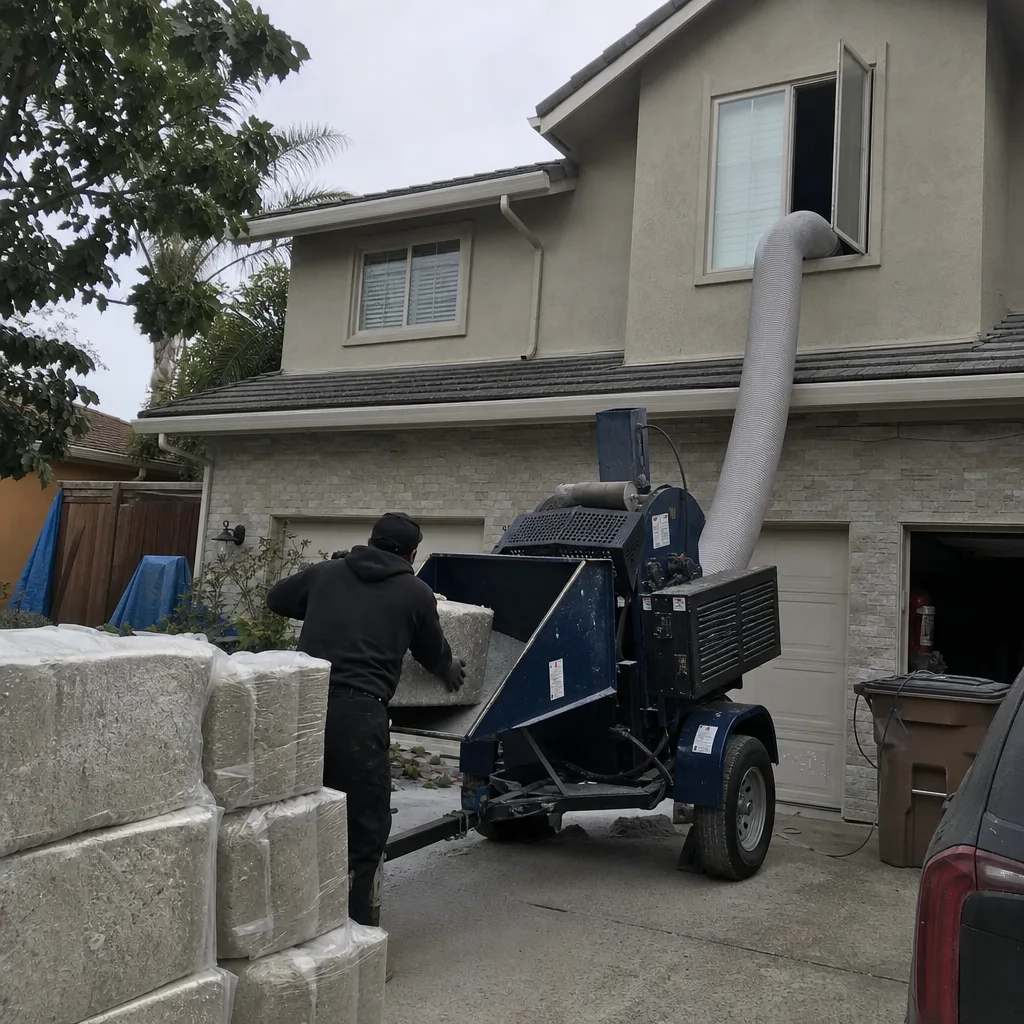
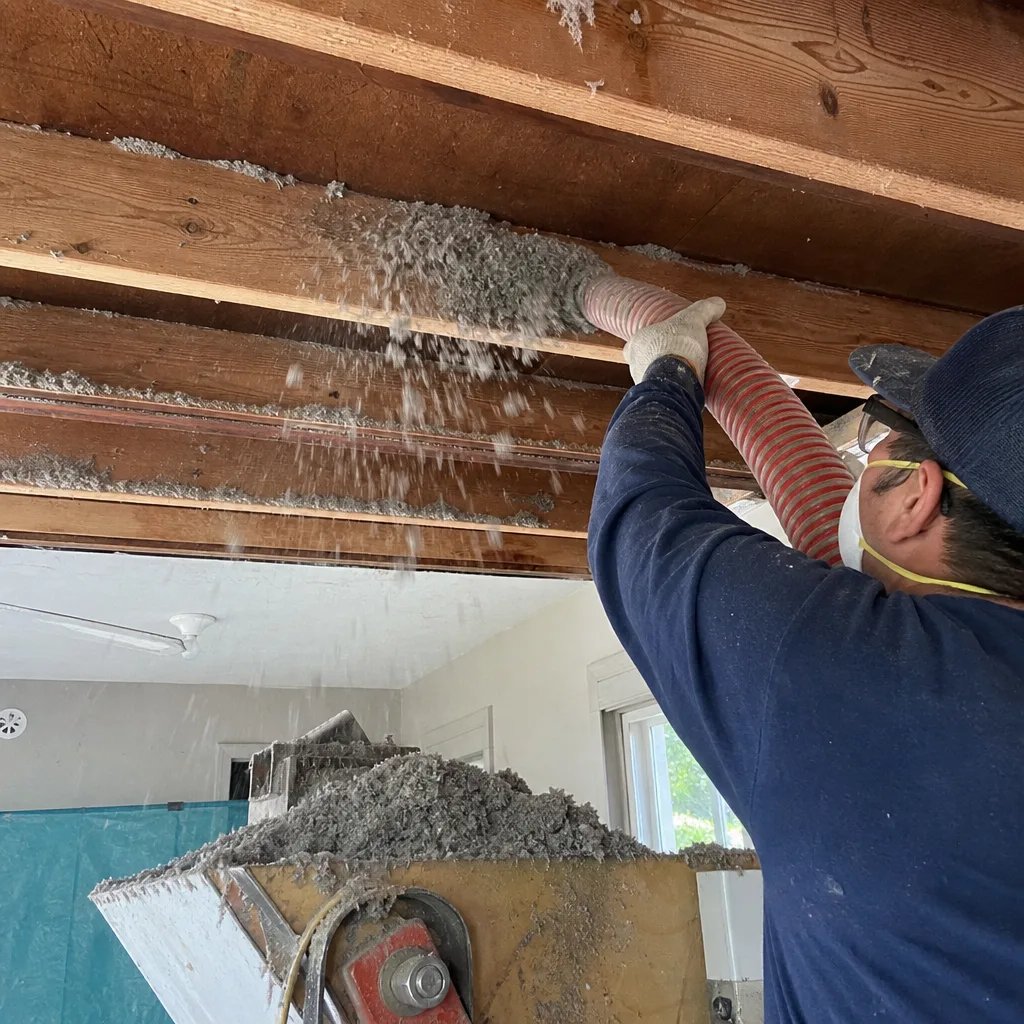
Blown-in fiberglass or cellulose is often the fastest way to bring a 1960s East Foothills attic up to current code, especially when the existing batts are settled or unevenly distributed. On hillside lots, we typically blow to R-38 or R-44 after air-sealing the ceiling plane, using GreenFiber or Johns Manville material. The wind exposure here means we’re careful to check eave baffles first, so the ridge and soffit ventilation still functions after the insulation goes in.
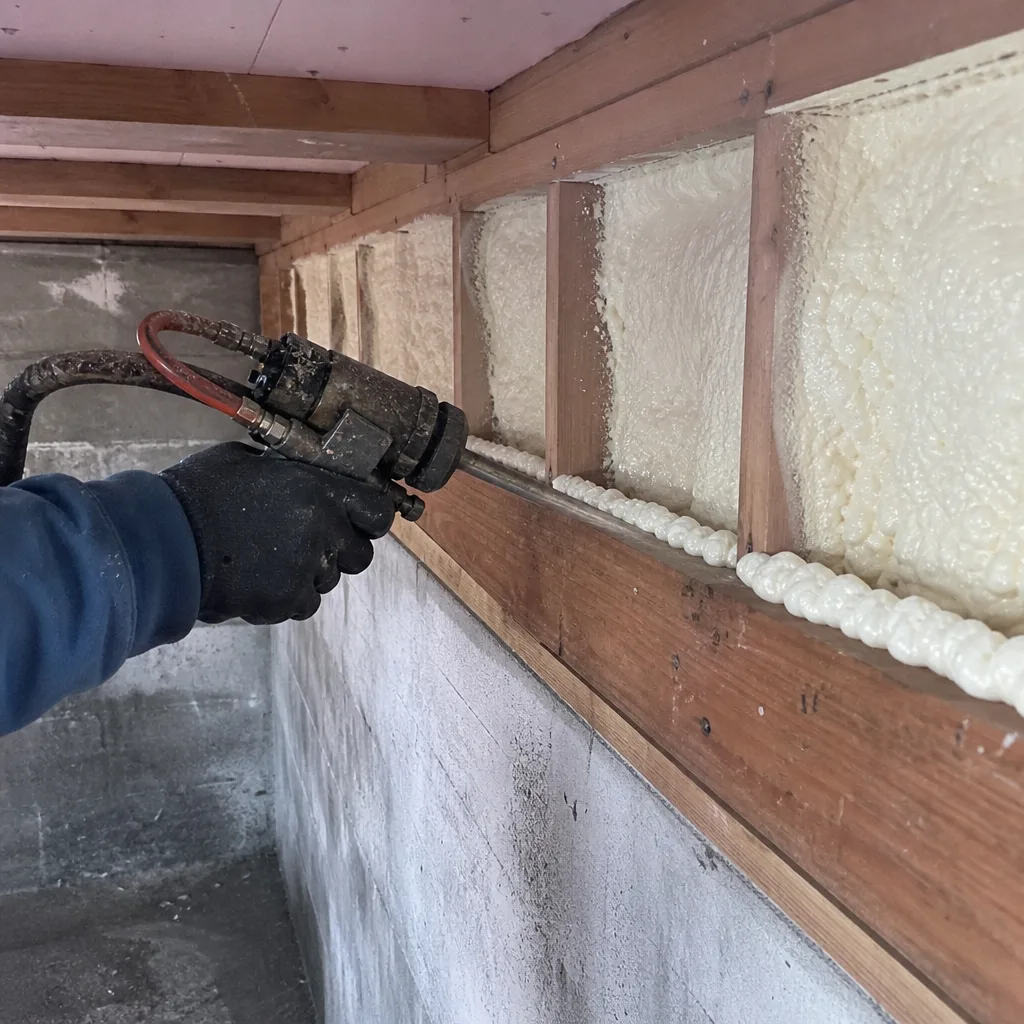
Attic Batt Insulation
For attics with accessible floor cavities, faced Owens Corning batts remain a solid choice. We install new R-38 faced batts in many East Foothills ranch and split-level homes where the original R-11 or R-19 material has compressed or fallen out of the bays. On the downslope side of these homes, where the attic floor sits over rooms exposed to the wind-scoured subfloor space below, we often find moisture has wicked into old batts and collapsed their R-value entirely.
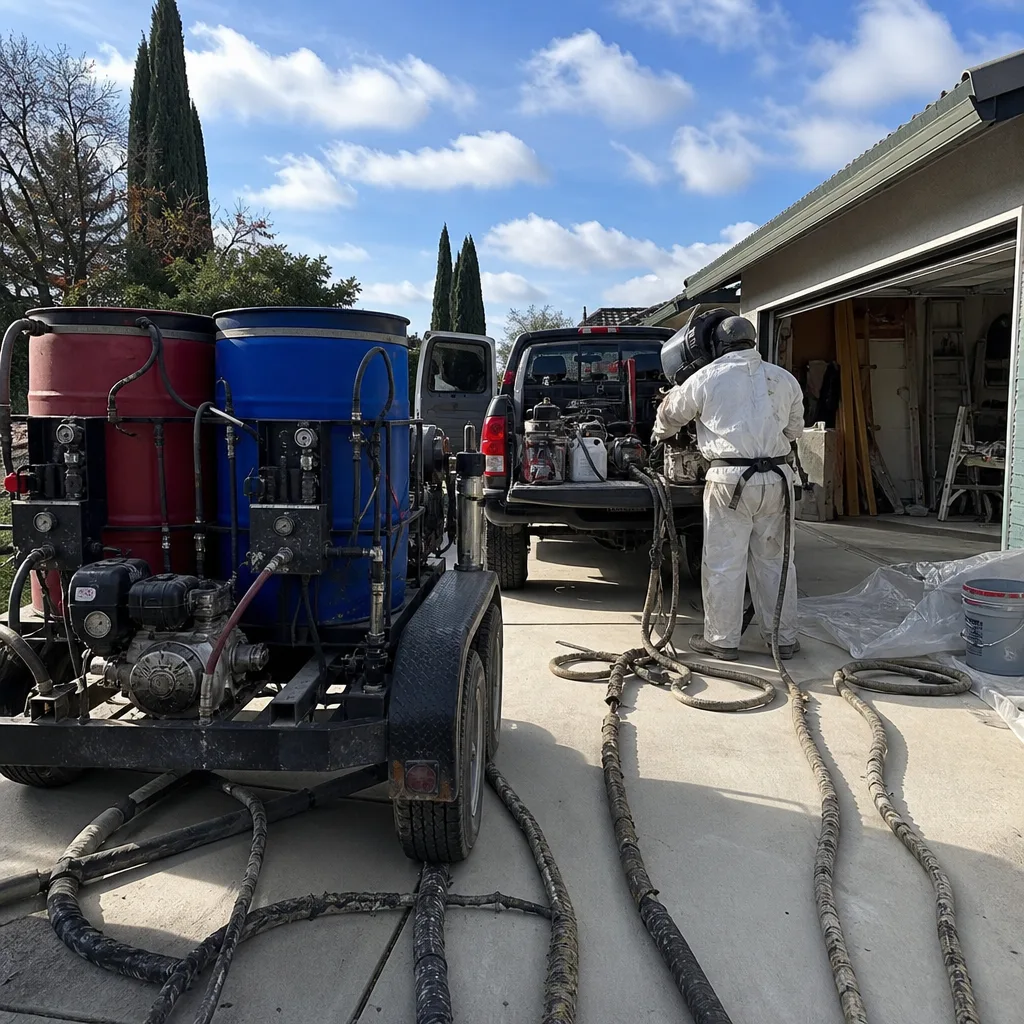
Attic Insulation Top-Up
If your existing attic insulation is dry, intact, and reasonably distributed, a top-up can be the most cost-effective path to compliance and comfort. In East Foothills, a top-up on a typical 1,200-square-foot attic from R-19 to R-38 runs between $900 and $1,600 depending on the existing material and access. We never top up over wet or moldy batts. We’ll tell you plainly if the old material needs to come out first.
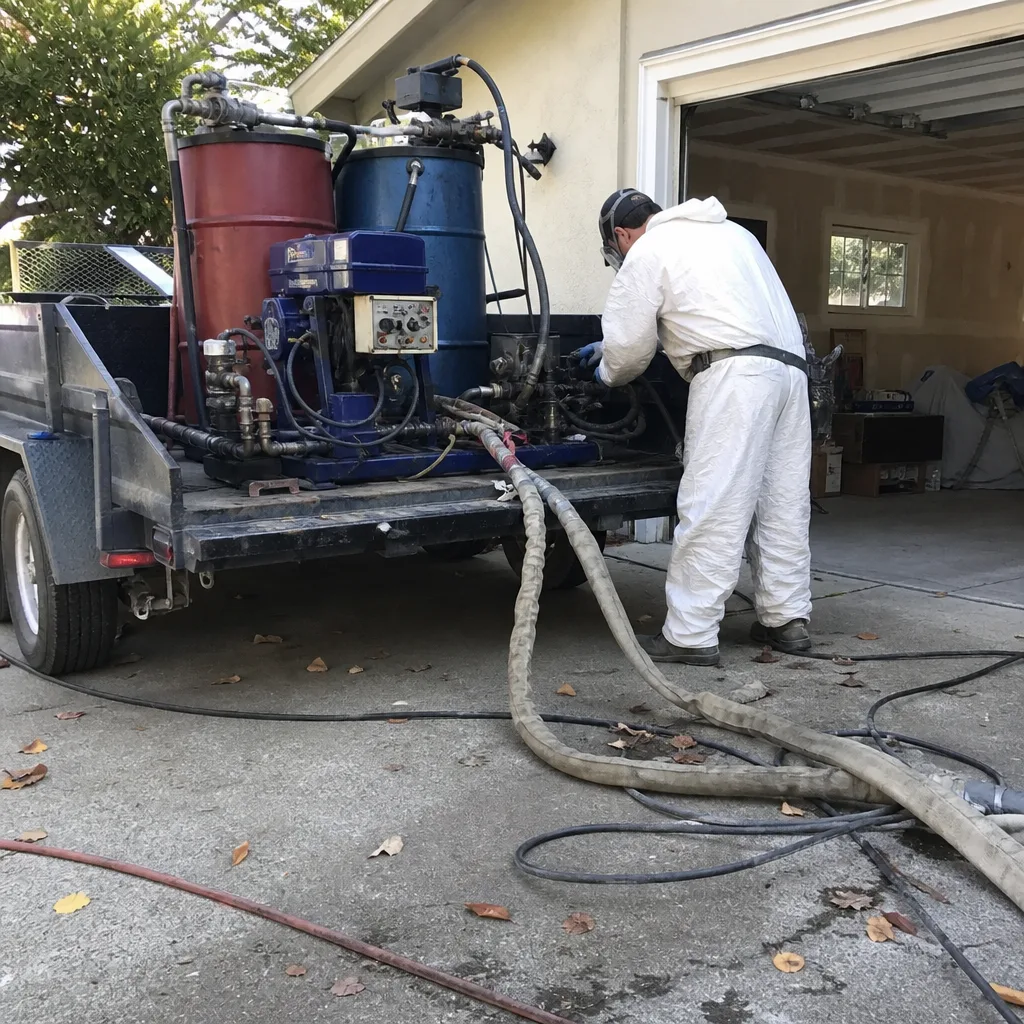
Attic Insulation Replacement
When original fiberglass batts have been saturated by wind-driven moisture or contaminated by rodent activity, replacement is the only honest fix. On East Foothills hillside homes, we routinely remove collapsed, sodden batts, air-seal the attic floor penetrations, and install fresh material in a single day. A full replacement on a standard 1960s ranch attic in this area typically runs $1,800 to $3,400 depending on square footage, access difficulty, and whether we’re also correcting baffle or ventilation problems while we’re up there.
Attic Baffles & Ventilation Prep
Steeply pitched hillside roofs in East Foothills are prone to missing or crushed baffles at the eave lines. When baffles fail, soffit ventilation stops, condensation forms against the roof deck, and blown-in insulation gets damp from above. We inspect and correct this before installing any new insulation, because adding material over a broken ventilation path just hides the problem under more insulation. This step is included in every replacement job and available as a standalone service.
What happens when you call
- 1
A real person answersNo phone trees - you reach a local pro.
- 2
You get an upfront price rangeHonest numbers before anyone is dispatched.
- 3
A background-checked tech heads outLicensed & insured, dispatched right away.
- 4
You approve before work beginsNothing starts until you say go.
Trusted Brands We Service in East Foothills
We install and service insulation from the manufacturers East Foothills homeowners already trust: Owens Corning, GreenFiber, and Johns Manville. Brands matter because fiberglass density, binder quality, and settling rates differ measurably between products. We stock the common sizes and R-values for East Foothills attics, which means most jobs don’t wait for a special-order delivery. When you call (510) 953-5663 for an estimate, we’ll tell you what material we recommend for your specific roof pitch, exposure, and existing ventilation, and why.

Common Attic Insulation Problems We See in East Foothills Homes
- Wind-driven moisture saturating attic floor batts from below. On homes with open downslope crawl spaces, gap winds off the Diablo Range push moisture up through the subfloor and into the attic floor cavities. Original fiberglass batts soak it up, collapse, and lose R-value while mold grows unseen from above.
- Original batts settled or fallen out of the attic floor cavities. Many 1960s and 1970s East Foothills attics still have their original R-11 or R-19 material. On sloped lots, vibration, gravity, and wind pressure over 50-plus years have left ceiling planes effectively uninsulated over the hillside-exposed rooms.
- Missing or crushed baffles on steeply pitched roofs. The steeper the roof, the more likely installation shortcuts crushed the eave baffles decades ago. This blocks soffit-to-ridge airflow and causes condensation that degrades blown-in insulation from above.
- Unsealed ceiling penetrations leaking warm air into the attic. Recessed lights, attic hatches, and plumbing chases in 1960s East Foothills homes were rarely sealed. Warm air rises into the attic, hits the cold roof deck, and condenses, creating the same moisture cycle that saturates batts from above.
Pricing for Attic Insulation in East Foothills, CA
Attic insulation pricing in East Foothills runs higher than flat San Jose neighborhoods, because hillside access and wind exposure add labor time and material requirements. Here are the honest ranges we quote most often:
- Blown-in attic insulation (full attic, R-38): $1,200 - $2,200
- Attic batt insulation (full attic, R-38 faced): $1,500 - $2,800
- Attic insulation top-up (R-19 to R-38): $900 - $1,600
- Attic insulation replacement (removal and new install): $1,800 - $3,400
- Attic baffles and ventilation prep: $350 - $750
Every estimate includes a full attic inspection and a written line-item quote before any work starts. We honor the $50 Off Any Repair Over $250 and the permanent 5% Senior & Veteran discount on every qualifying job. Call (510) 953-5663 for an exact quote on your East Foothills home. Estimates are free.
We Also Serve Cities Near East Foothills
Warmline Insulation Co. serves East Foothills and the surrounding communities, including Fremont, Newark, Milpitas, and Sunol. Many of our East Foothills customers have family or rental properties in these nearby cities, and our crews are scheduled across the same service corridor daily. The same 90-Day Done Right Promise and upfront pricing apply everywhere we work.
Serving East Foothills, CA - Our Local Coverage Area
We’re based in the East Foothills area and know this community well. Use the map below to see our service coverage - if you’re nearby, we can almost certainly help.
FAQs - Attic Insulation in East Foothills
Because wind exposure changes everything. Homes in East Foothills sit on sloped Diablo Range foothill lots where gap winds funnel through the passes and hit the structure from the downslope side. In flat San Jose, an attic-only job addresses the main heat-loss pathway. In East Foothills, the exposed downslope crawl space is often the larger thermal leak, and attic insulation has to be specified to handle stronger convective heat loss and wind-driven moisture. A standard valley-floor attic spec will underperform here. Call (510) 953-5663 and we’ll explain what your specific lot orientation requires.
Sometimes, but only if the old batts are dry, intact, and still sitting properly in the floor cavities. On sloped East Foothills lots, we frequently find the original Owens Corning batts have fallen out of the floor bays or been saturated by wind-driven moisture. Topping up over wet or collapsed material traps the problem and wastes the new insulation. We’ll inspect first and tell you honestly if a full replacement is the better path. An inspection costs you nothing and takes under an hour.
Walk the rooms on the downslope side of your home in winter. If those floors feel cold underfoot while the uphill rooms are comfortable, your subfloor or attic floor insulation is likely failing. In our experience on East Foothills split-levels, a temperature differential of 8°F to 12°F between uphill and downslope rooms is common when original batts have collapsed. Our team can measure this during a home energy audit and pinpoint exactly where the heat is leaving.
Not typically in the attic itself, but the crawl space below is another story. In East Foothills, the open downslope crawl space is the primary moisture source that damages attic floor insulation from below. We often recommend a sealed 10-mil vapor barrier over the open grade in the crawl space as part of a complete attic insulation job, because it stops wind-driven moisture before it reaches the attic floor. Skipping it means new attic insulation can fail again in a few years. Call us for specifics on your lot.
Because the wind pressure differential across an East Foothills home is far stronger than anything flat Fremont or Milpitas houses experience. Gap winds out of the Diablo Range push outdoor air through every unsealed penetration in the envelope, pulling warm interior air into the attic and cold air into the living space at a rate valley homes don’t see. Air-sealing the attic floor before adding insulation is not optional here; it’s the step that makes the insulation actually work. Our attic air sealing service is included in every insulation replacement we do in East Foothills.
If your East Foothills home still has original attic insulation or you’re feeling cold floors on the downslope side, don’t wait for another wind season to pass. Call Warmline Insulation Co. at (510) 953-5663. A live person answers 24/7, estimates are free, and the work carries our 90-Day Done Right Promise in writing. Neil Ashford and the entire Warmline team are ready to make your East Foothills home warmer, drier, and cheaper to heat.
Written by Neil Ashford, Owner at Warmline Insulation Co., serving East Foothills and the surrounding Bay Area hillside communities since 2011.