
Fast, Reliable Crawl Space Encapsulation & Vapor Barrier Across Campbell
Crawl space encapsulation in Campbell runs $4,200-$9,800 for a typical 1,200-1,800 sq ft ranch home, with vapor barrier-only jobs starting around $1,800. Most Campbell projects are completed in a single visit by our background-checked, uniformed technicians. If you’ve got standing water, a musty smell, or cold floors in your 1950s-era ranch, call (510) 953-5663 and a live person answers 24/7, never a voicemail. We’re the Crawl Space Encapsulation & Vapor Barrier team homeowners in Campbell trust because we detail the transitions other contractors skip.
Campbell’s post-war ranch stock sits on clay-heavy soil that holds winter rain against foundation walls. That’s not a generic crawl space problem. It’s a Campbell problem, and it shows up as warped hardwood, peeling paint on baseboards, and that damp smell that never quite leaves the hallway. We know these homes because we work on them every week.
Why Warmline Insulation Co. Is Campbell’s Preferred Crawl Space Encapsulation & Vapor Barrier Company
Warmline Insulation Co. has been in business since 2011, and our crews serve Campbell from scheduling and dispatch coordinated out of our San Francisco Bay Area office. When a homeowner near the Pruneyard calls about damp crawl space air, we send a technician who knows exactly what the 1960s rancher floor plans look like underneath. No figuring it out on your dime.
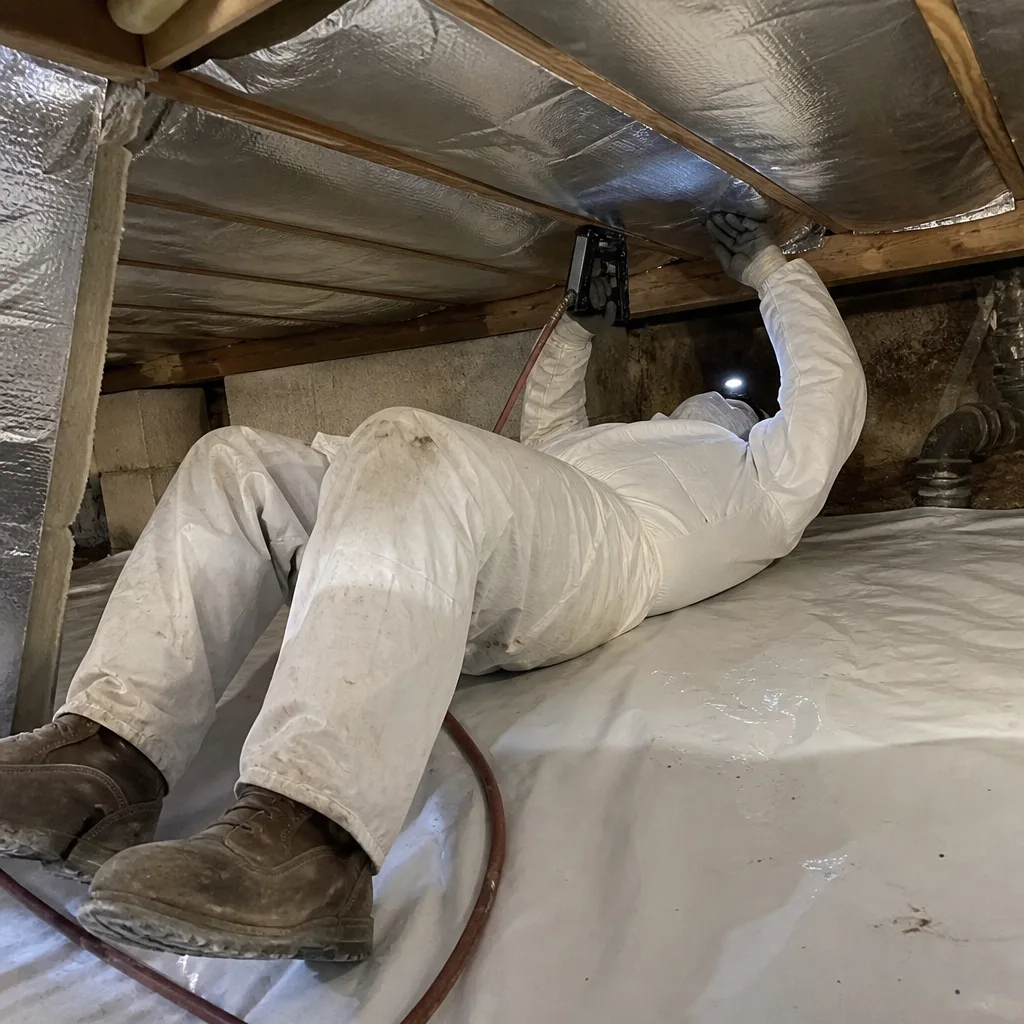
Neil Ashford leads our team, and he’s built the company around a 90-Day Done Right Promise: if the work isn’t right, we make it right. That written commitment matters when you’re sealing a crawl space under a home that’s been breathing dirt-floor moisture for 60 years. We’ve corrected plenty of vapor barriers that other crews laid flat on the dirt and called done. Ours get sealed up stem walls, taped at every seam, and detailed at the framing transitions where 1980s room additions left gaps.
Campbell homeowners tell us the same thing: they called three contractors, and two of them gave vague answers about vapor barriers. Our pricing is upfront, most jobs finish in one visit, and every call is answered by a live person day or night. If you’re in the Winchester Boulevard corridor or up near the Los Gatos Creek Trail, we’re already working in your neighborhood.
Our Crawl Space Encapsulation & Vapor Barrier Services in Campbell
Crawl Space Vapor Barrier
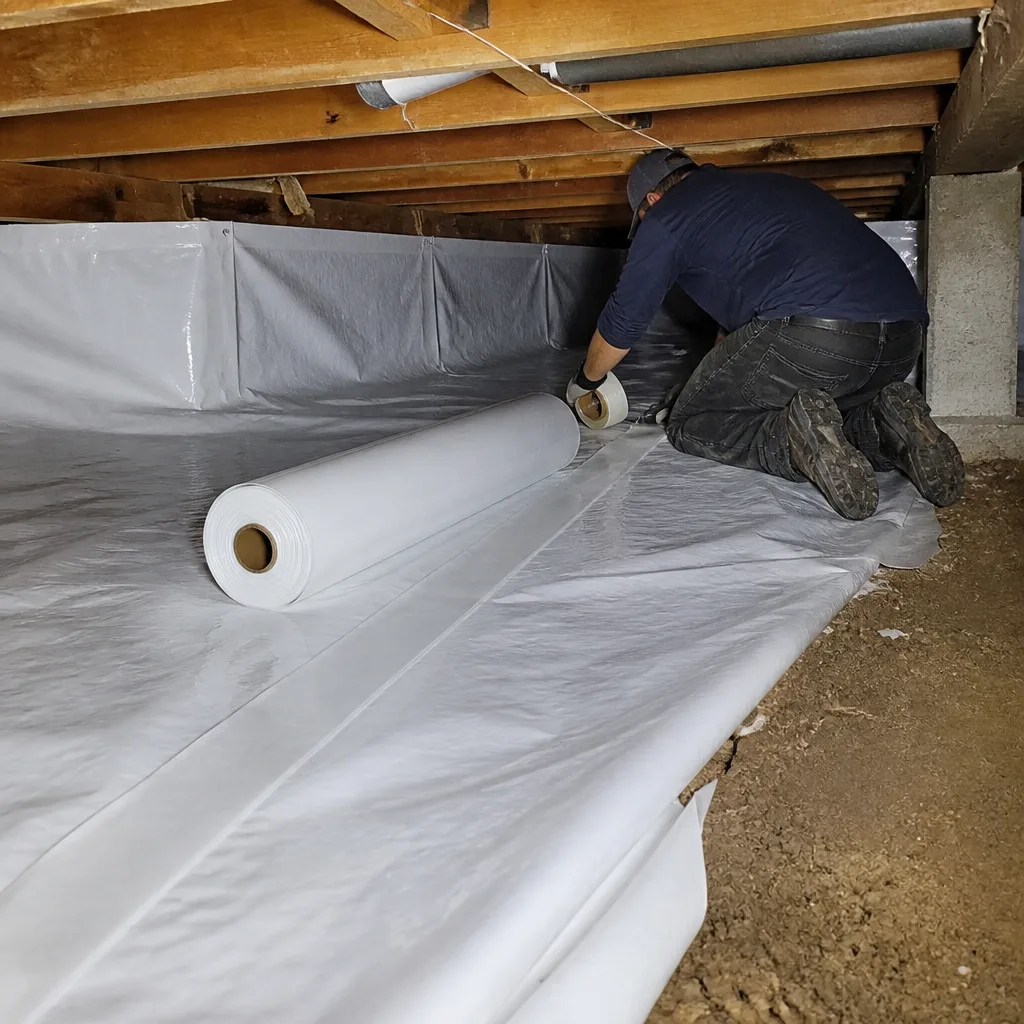
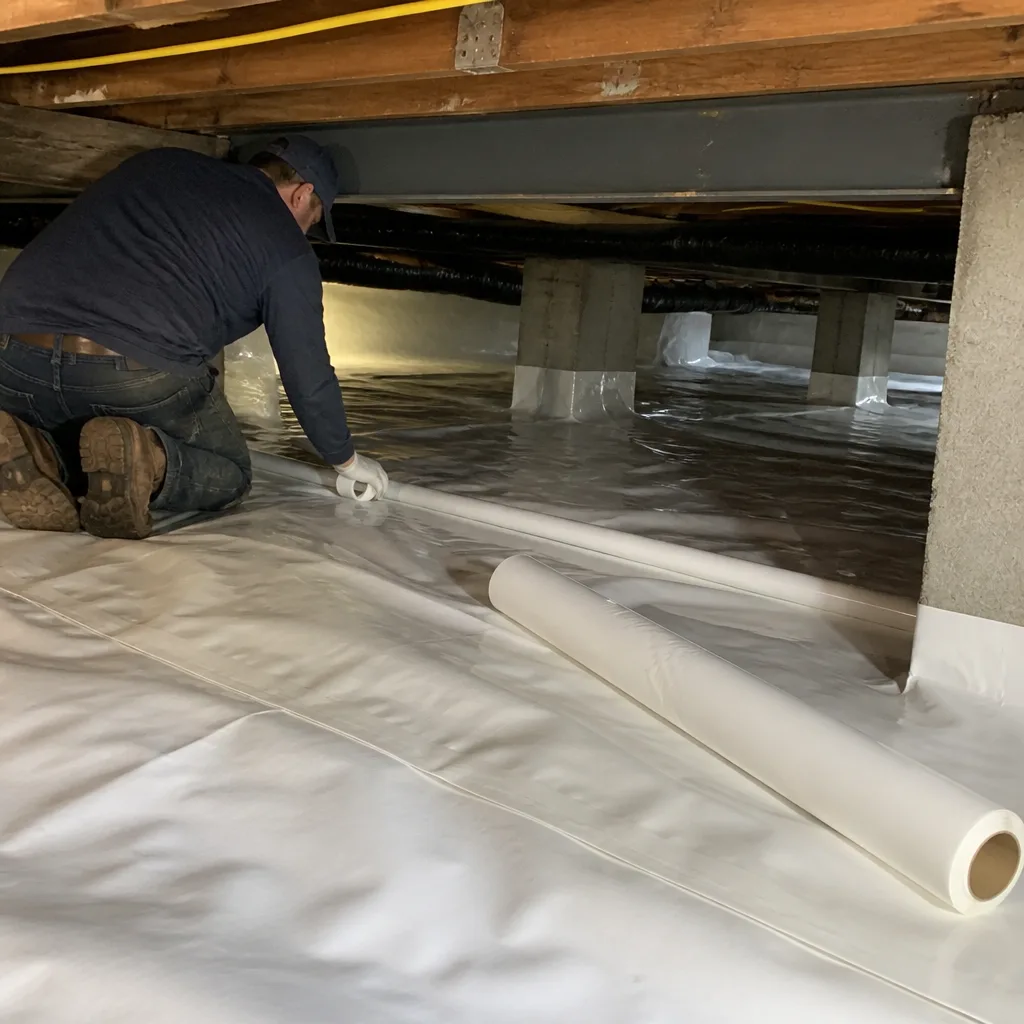
A proper vapor barrier in a Campbell crawl space starts with a 20-mil reinforced liner, not the 6-mil poly that builders stuffed under 1970s ranchers and called moisture control. We run the barrier up the stem walls, seal every seam with tape and mastic, and mechanically fasten it so it won’t shift when someone services the furnace. On a dirt-floored crawl space off Hamilton Avenue, this is the difference between a barrier that lasts 20 years and one that’s torn within six months.
Crawl Space Encapsulation
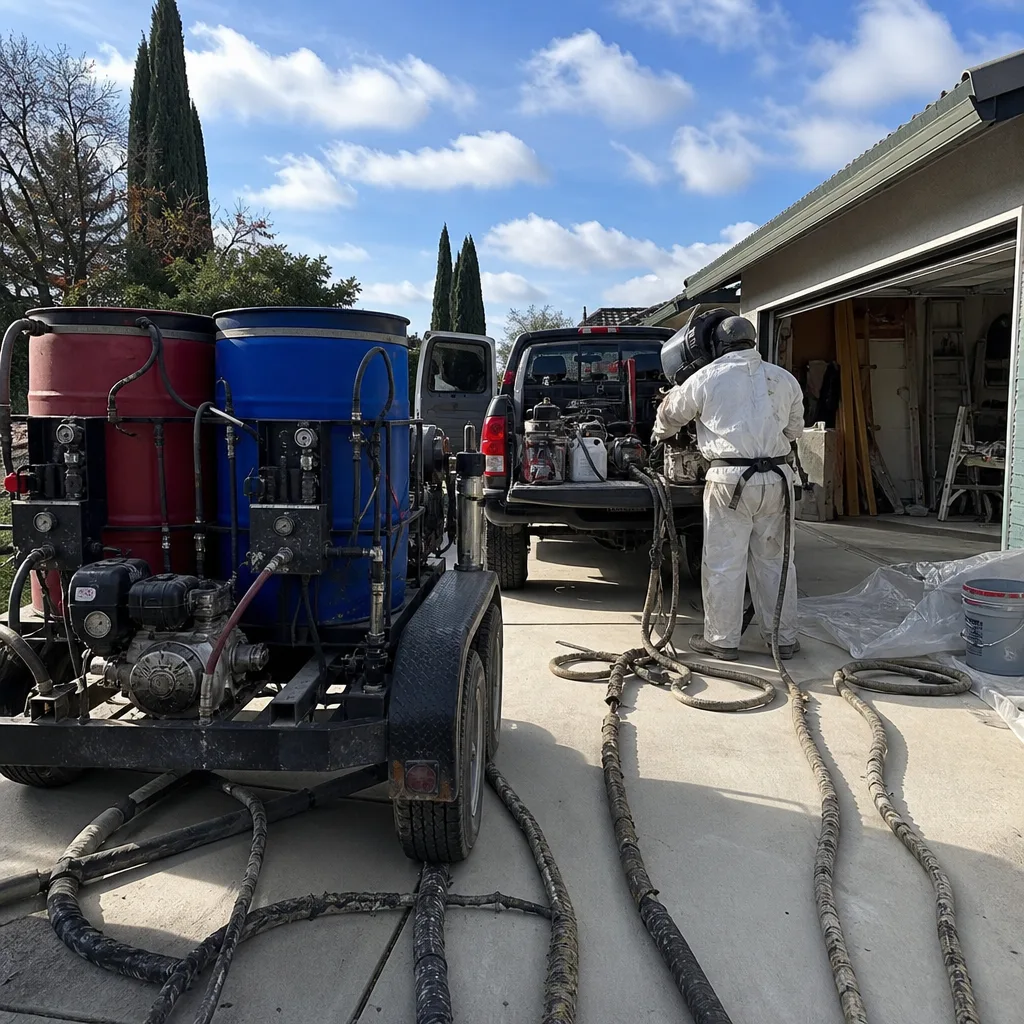
Encapsulation closes the entire crawl space: floor, walls, and the transitions at post-tension slab edges where 1980s room additions in Campbell created hidden air gaps. Those junctions are where outside air and soil moisture slip past a floor-only barrier. We seal them with closed-cell spray foam before the liner goes in. That’s the detail generic guides miss and the reason most Campbell encapsulations fail within a few years.
Crawl Space Insulation
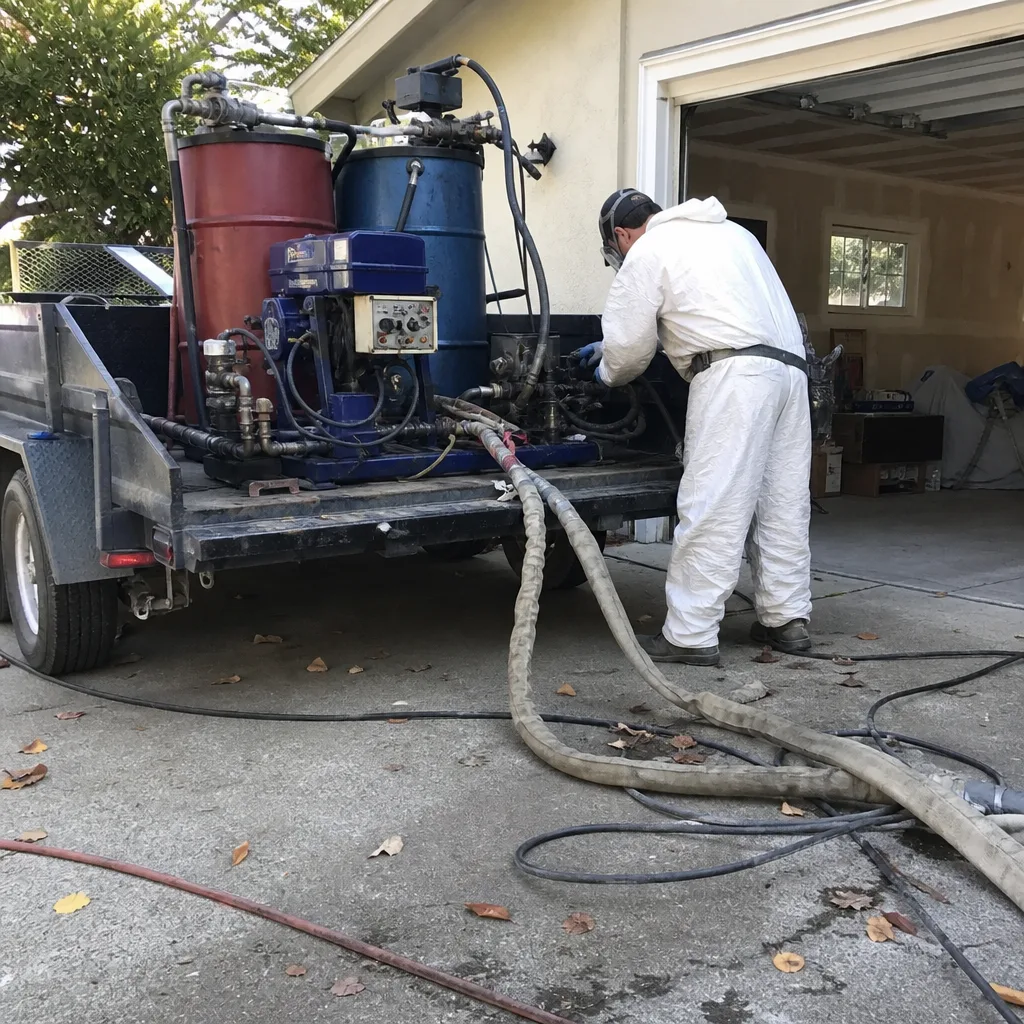
After the moisture barrier is sealed, insulation goes on the crawl space walls, not between floor joists. Fiberglass batts hanging under a damp Campbell crawl space sag, absorb moisture, and become a rodent highway. We install rigid foam or closed-cell spray foam against the masonry, which keeps the space dry, blocks soil gas, and makes the floors above measurably warmer in January when Campbell nights dip into the mid-30s.
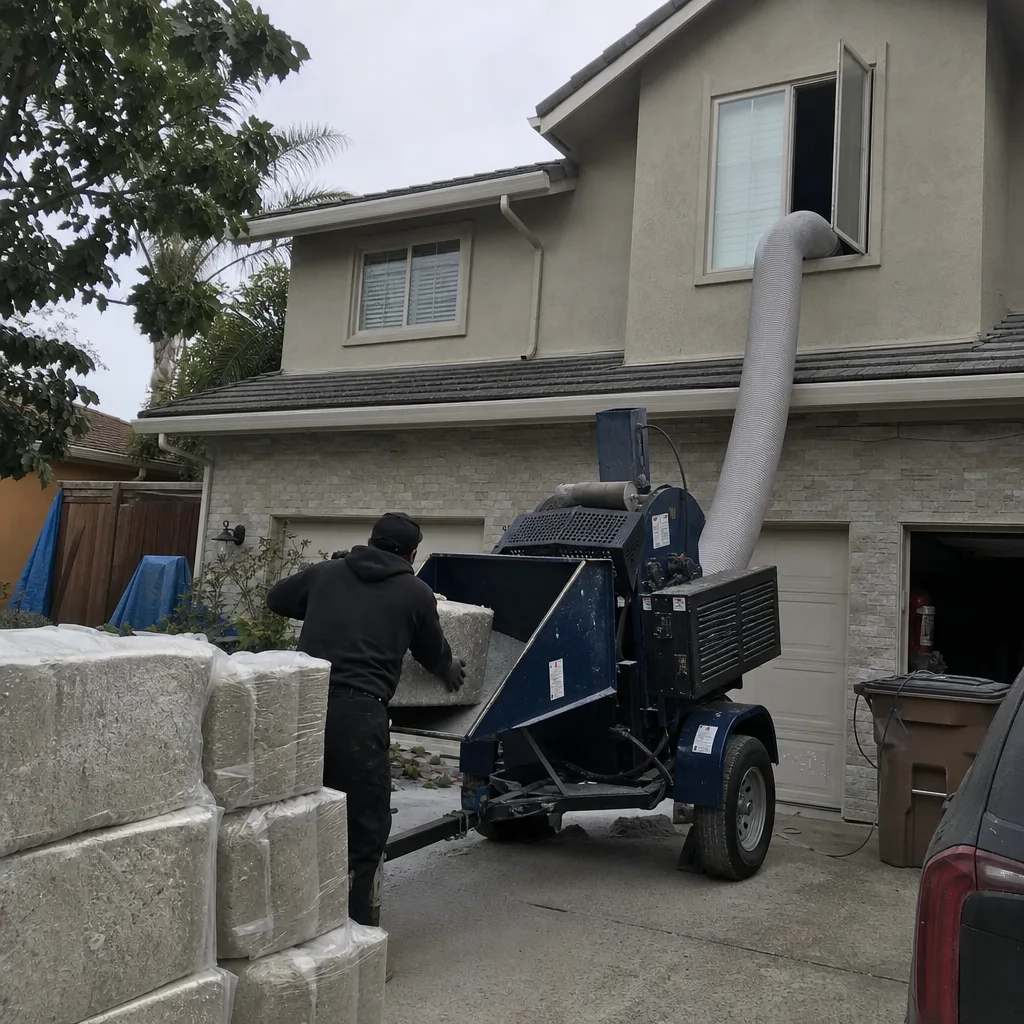
Crawl Space Moisture Control
Campbell’s inland valley position means summer afternoons hit 90-95°F while winter rains saturate the clay soil around foundations. That swing drives moisture into crawl spaces from below and through the vents. We address the whole system: sealing, drainage where needed, and dehumidification sized to the square footage. A dehumidifier alone on a dirt-floor crawl space is a band-aid. We fix the source first.
What happens when you call
- 1
A real person answersNo phone trees - you reach a local pro.
- 2
You get an upfront price rangeHonest numbers before anyone is dispatched.
- 3
A background-checked tech heads outLicensed & insured, dispatched right away.
- 4
You approve before work beginsNothing starts until you say go.
Trusted Brands We Service in Campbell
We stock and install materials from Demilec, Owens Corning, and Johns Manville. These are the benchmark manufacturers in the insulation industry, and we choose them because they hold up in the high-moisture, high-heat conditions Campbell crawl spaces throw at them. We keep vapor barrier stock and foam kits staged for Campbell service calls, so we don’t have to order and wait while your crawl space keeps wicking water. Same-week scheduling is the norm for most Campbell zip codes.
Common Crawl Space Encapsulation & Vapor Barrier Problems We See in Campbell Homes
- Torn 6-mil poly on dirt floors. Campbell’s ranch homes from the 1950s-1970s often have the original thin vapor barrier, and service workers or rodents have shredded it. The moisture and soil gas seal is gone, and homeowners don’t know until the floors start cupping.
- Open seams at 1980s room-addition framing. When a garage was converted or a room added over an uninsulated post-tension slab, the junction with the original foundation was rarely sealed. We find these bypasses during inspections and they explain comfort complaints that attic insulation alone never fixes.
- Standing water from clay soil. Winter rains pool against Campbell foundations because the native clay drains poorly. Without addressing exterior grading and interior drainage, any vapor barrier gets undermined from below every December through March.
- Rodent-damaged insulation under floors. Damp, accessible crawl spaces attract rats from the Los Gatos Creek corridor. Once the moisture is controlled and the space sealed, rodent entry points are far easier to find and close permanently.
Pricing for Crawl Space Encapsulation & Vapor Barrier in Campbell, CA
Here’s what we quote in Campbell, based on the ranch and addition configurations we see most often.
| Scope | Typical Campbell Range |
|---|---|
| Vapor barrier only (20-mil, floor + stem walls) | $1,800 - $3,400 |
| Full encapsulation (seal walls, transition foam, barrier, sump if needed) | $4,200 - $7,500 |
| Encapsulation + dehumidifier + drainage corrections | $6,800 - $9,800 |
| Moisture remediation with rodent sealing | Add $800 - $1,600 |
What moves the number: crawl space height (many Campbell ranchers have tight 18-24 inch access that slows work), whether that 1980s addition left a post-tension slab edge to seal, and whether standing water demands a sump. We provide a written, line-item quote before work starts. No surprises. Call (510) 953-5663 for a free estimate on your Campbell crawl space.
We Also Serve Cities Near Campbell
Our Campbell crews also run daily routes to Saratoga, Cupertino, Mountain View, and Milpitas. If you’re just over the border on the Saratoga side of Quito Road or up in Cupertino near De Anza College, we’ll bring the same crawl space detailing standard to your door.
Serving Campbell, CA - Our Local Coverage Area
We’re based in the Campbell area and know this community well. Use the map below to see our service coverage - if you’re nearby, we can almost certainly help.
FAQs - Crawl Space Encapsulation & Vapor Barrier in Campbell
Attic insulation stops heat loss upward, but a vented dirt crawl space pulls soil moisture and radon into the home from below, and that moisture rises through the floor assembly. In Campbell’s 1950s-1970s ranchers, the crawl space is typically vented to outside air and sits over clay soil that holds water all winter. Encapsulation closes that lower boundary, so you get the full benefit of whatever attic work was done. Without it, the house still feels damp and costs more to cool during those 90°F summer afternoons when the AC pulls moist air up from the crawl space. Call (510) 953-5663 if your home has this combination.
The barrier must be sealed continuously up the original stem wall, and the framing transition where the 1980s addition meets the old foundation must be air-sealed with closed-cell spray foam before the liner is installed. Floor-only barriers leave that junction open, and moisture and soil gas travel right through it into the addition. We find this exact condition in Campbell tracts off Winchester Boulevard and San Tomas Expressway, and sealing it properly is the difference between an encapsulation that works and one that looks fine but fails within two years.
Not always. If the crawl space is fully sealed, drainage is corrected, and the barrier is continuous, the space usually stabilizes on its own in Campbell’s climate. A dehumidifier becomes necessary when there’s a persistent groundwater source, when the space is unusually large for the home’s footprint, or when the 1980s addition created a pocket that doesn’t dry out. We spec dehumidifiers only when the moisture data says they’re needed, not as a default upsell. Ask us for the moisture-read numbers when we inspect Crawl Space Encapsulation & Vapor Barrier in Campbell and we’ll show you exactly what we measured.
Yes. When the crawl space is sealed and insulated, the floor assembly stops acting as a conduit for hot, humid outside air pulled in through the vents. Your air conditioner no longer fights that latent heat load, which directly reduces cooling run time. Given PG&E’s electricity rates in the Santa Clara Valley, even a modest reduction in AC hours during Campbell’s inland summer heat pays back faster than most home improvements we install. Many homeowners report the upstairs or back bedrooms finally holding temperature after the crawl space is closed off.
First we correct exterior grading where practical, then we install interior drainage and a self-draining sump pump if standing water is present, and only then lay the reinforced vapor barrier over the prepared surface. Skipping the drainage step means the barrier floats on water and eventually tears or separates. In a Campbell tract off Winchester Boulevard, we sealed a crawl space where a converted garage addition met the original foundation. Standing water from a clay soil basin had wicked into the uninsulated post-tension slab edge, so we sealed that framing transition with closed-cell spray foam, laid a 20-mil reinforced vapor barrier up the stem walls, and added a self-draining sump. The homeowner’s winter floor temps rose 8°F and the musty odor cleared within a week. For a free assessment of your crawl space, call (510) 953-5663. A live person answers around the clock.
Written by Neil Ashford, Owner at Warmline Insulation Co., serving Campbell since 2011. If your Campbell home has a damp, musty crawl space, call (510) 953-5663 for a free estimate and a straight answer about what it’ll take to fix it. Our 90-Day Done Right Promise covers every encapsulation we install.